


I have said this before, and I will keep saying it. The moko kauae and ta moko have lost their meaning.
What was once worn by warriors, rangatira, and people of genuine standing within Māori society has been stripped of its mana and turned into little more than a performative accessory. A shortcut to unearned authority. A visual demand for respect without the substance to back it up. A virtue-signalling barcode.
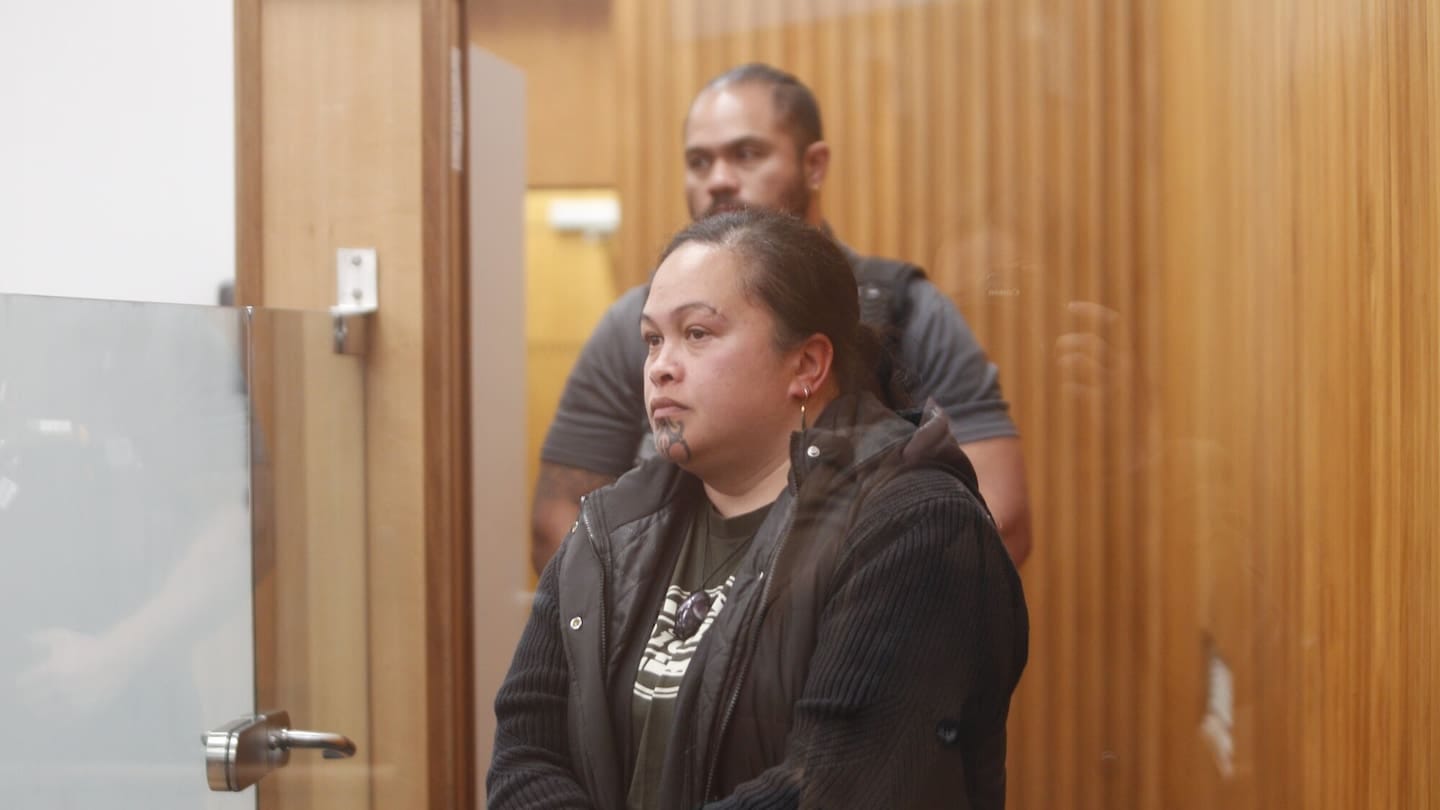
Take Marise Martin.
She proudly wore a moko kauae while stealing nearly $20,000 in gift cards from her workplace. She then went on to defraud a children’s rugby team she managed, collecting money for a trip and spending part of it on herself. Parents spoke openly about the betrayal. One said she never would have sent money had she known about Martin’s past.
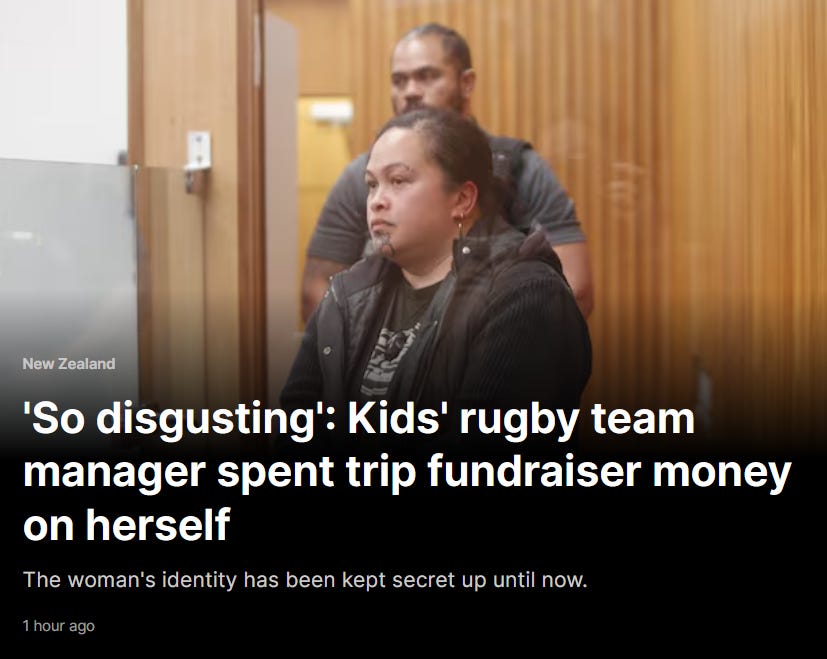
She was convicted earlier this year. Her name was hidden for months under suppression, opposed by mainstream media, until it finally lapsed in December.
That moko kauae did not represent integrity, leadership, or responsibility. It represented nothing. In fact, it actively misled people into trusting someone they otherwise might not have.
This is the uncomfortable part. People wearing moko kauae or full facial ta moko now routinely expect automatic deference. Elder status. Moral authority. Cultural immunity from scrutiny. However, when every man and his kuri is getting one, it stops being a marker of earned standing and becomes a virtue-signalling barcode.
I remember seeing Eru Kapa-Kingi appear on a Māori current affairs show October 2024, sitting beside Hone Harawira. Clean face. Gold jewellery. Talking big about a planned hikoi to Wellington to oppose the Treaty Principles Bill.
Three weeks later, his entire face was tattooed.
Three weeks.
Eru Kapa-Kingi

Twelve months ago, few New Zealanders had heard of Eru Kapa-Kingi. Now, he is suddenly everywhere. He made headlines this week for publicly challenging ACT Party leader David Seymour to a fight, in response to Seymour allegedly calling his mother, Te Pāti Māori MP Mariameno Kapa-Kingi, an “idiot”. The reaction was theatrical, if not juvenile. For someon…
No long service. No visible journey. No years of leadership or sacrifice. He had not even marched yet. But suddenly, full facial moko, applied with modern electric tattoo equipment he can thank colonisation for providing. The end result looked less like ancestral gravitas and more like a pumpkin etched onto his face.
I always thought ta moko was something you earned. Apparently now it is something you schedule with your local tattooist.
Then there is Matua Bill on social media. Full ta moko. Tears on camera. Poverty monologues. Pre-Googled inspirational quotes delivered with solemn music. He talks about “our people” suffering on the whenua, by which he means Māori exclusively. Then, the very same day, he promotes an offshore casino for a paid sponsorship.
We all know what gambling does in this country. It destroys families across every ethnicity. It hits Māori communities hard, with benefit money going straight into pokies on payday, chasing a miracle that never comes. Yet there he is, face tattooed in supposed cultural authority, selling the very poison he claims to oppose.
This is why the symbolism has collapsed.
When moko kauae is worn by thieves.
When ta moko is acquired between media appearances.
When cultural authority is monetised, weaponised, and contradicted by behaviour.
The meaning drains away.
So yes, after reading about Marise Martin, I will say it again. The moko kauae has lost its mana. It is no longer a marker of honour or responsibility. Too often now, it is just a barcode. A signal designed to scan as virtue, while hiding what is actually underneath.
🔒Paying subscriber section 🔒
I’ll be honest. These days, a moko kauae is one of my biggest red flags. Not because of what it once represented, but because of what it now too often signals...
