
NZ Media: Celebrating brown success, airbrushing brown atrocities
In the nightmare which unfolded in a quiet Swedish village, a father allegedly pumped bullets into his two young daughters before blowing his own brains out. One girl clings to life in hospital. The other is critically wounded.
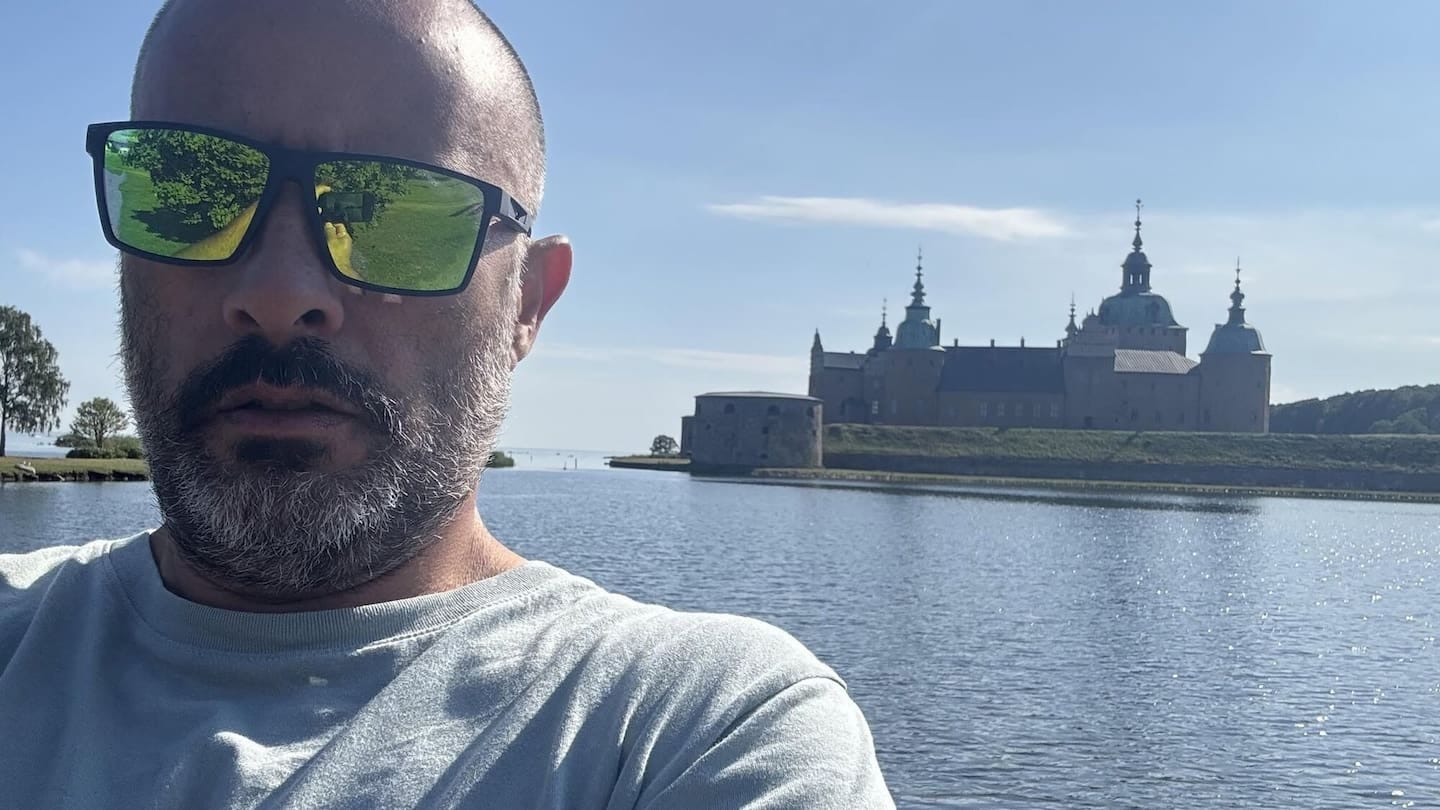
The perpetrator? A man with the unmistakably Māori name Maui Koopu: a double-barrelled cultural calling card if ever there was one.
However, New Zealand’s precious media, those tireless champs of indigenous visibility, suddenly went colour-blind.
“Kiwi man.”
That’s the sterile, gutless label they slapped across headlines. Not Māori. Not even a whisper of his heritage. Just another generic Kiwi bloke who happened to try murdering his own children.
Poof. Ethnicity erased the moment the story turned ugly.
This is the same rotten press that creams itself with glee whenever a Māori does anything remotely positive.
“Māori All Black stars again!”
“Trailblazing Māori CEO smashes barriers!”
“Proud Māori artist decolonises whatever.”
”42-year-old Māori bloke buys first house”
They can’t inject the word “Māori” fast enough when it flatters the sacred narrative of indigenous excellence. It’s virtue-signalling catnip.
But let a Māori-named man with a documented history of aggression against his ex-wife commit unspeakable horror against his own flesh and blood, and suddenly identity politics takes a tactical siesta.
“Kiwi man,” they whimper.
How whākn’ convenient.
Māori identity is a shiny PR asset when it props up grievances, demands, or feel-good diversity porn. When it risks highlighting the epidemic of family violence, child murder, and fatherless carnage that disproportionately scars certain communities in New Zealand, that identity is memory-holed faster than a politician deleting old tweets.


Koopu’s ex had reportedly warned social services about his aggression just days earlier. Police had sniffed around domestic abuse claims before. The divorce had been finalised a mere two days before he allegedly turned the family home he built into a shooting gallery.
These aren’t irrelevant details. They’re the grim context the media prefers to neuter by calling him a neutral “Kiwi”.
New Zealanders aren’t stupid. They see the pattern: amplify ethnicity for Olympic-level mental gymnastics about systemic racism and Māori achievement; suppress it when the story involves another Māori man exploding in domestic carnage.
The statistics on family violence in New Zealand are brutal and uncomfortable. Pretending every offender is a deracinated, culture-free “Kiwi” is journalistic malpractice that protects no one, least of all the next little girls in the firing line.
If Koopu had scored a winning try or opened a trendy Māori business, the media would have been all over his rich cultural heritage, his unbreakable ties to the whenua, and the warrior spirit of his ancestors.
Instead, they scrubbed him into bland universality to avoid “stereotypes.”
Translation: they’re happy to stereotype when it’s flattering, but terrified of the truth when it’s damning.
This selective racial filter is pure intellectual cowardice dressed up as compassion.
It infantilises Māori by implying they can’t handle honest scrutiny. It insults the public by treating us like children who must be shielded from patterns that don’t fit the approved script.
And most of all, it spits on the victims: those two girls in Sweden whose lives were shattered by their own coward father.
Media outlets can’t keep playing these identity games only when the outcome makes them feel morally superior. Either report ethnicity consistently and honestly in every case: positive or horrific, or drop the performative Māori cheerleading entirely.
Until then, they’re not journalists. They’re propagandists with bylines, complicit in a sick double standard that serves ideology over truth, and virtue over the dead and maimed.
Perhaps the most fitting way to end this essay is with a quote from Greens co-leader Marama Davidson, who famously declared:
“I am a prevention violence minister, and I know what causes violence in this world and it’s white cis men.”
Given the facts of this case, readers can decide for themselves how well that statement has aged.


