Seven tribes, one furniture store – The absurd racism of NZ’s consent regime

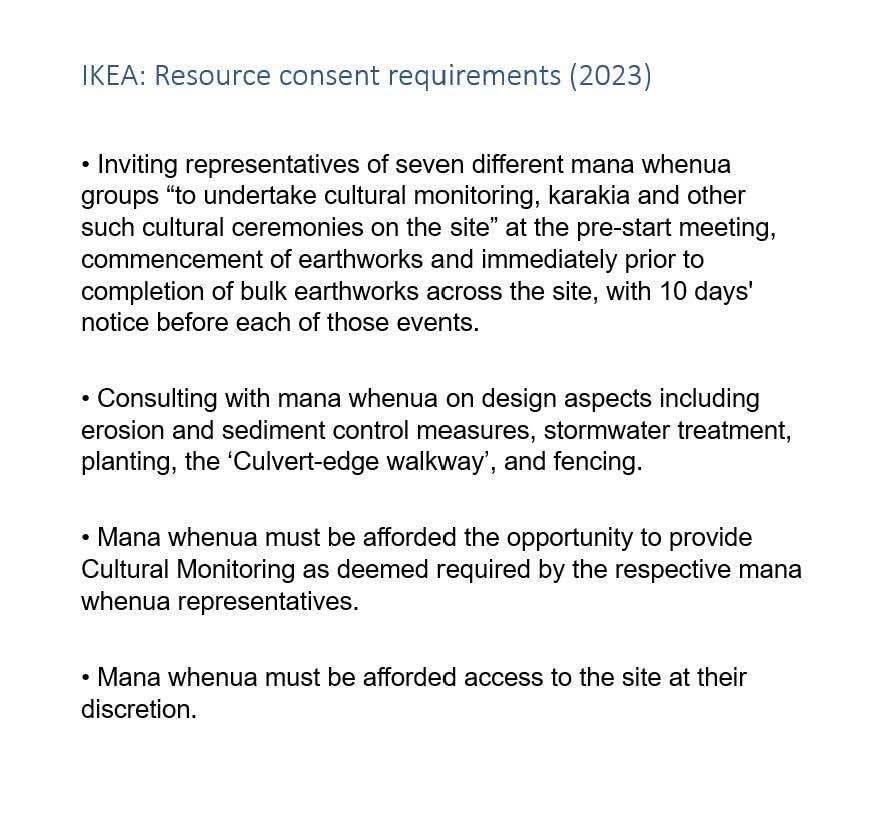
ACT MP Simon Court recently posted IKEA’s 2023 Resource Consent Requirements, and the document is a masterclass in how far New Zealand has drifted into full-blown, bureaucratised separatism. The whole thing reads like a cultural compliance manual rather than a straightforward building approval. If this is what a global company must wade through just to put up a furniture store, no wonder this country is falling apart.
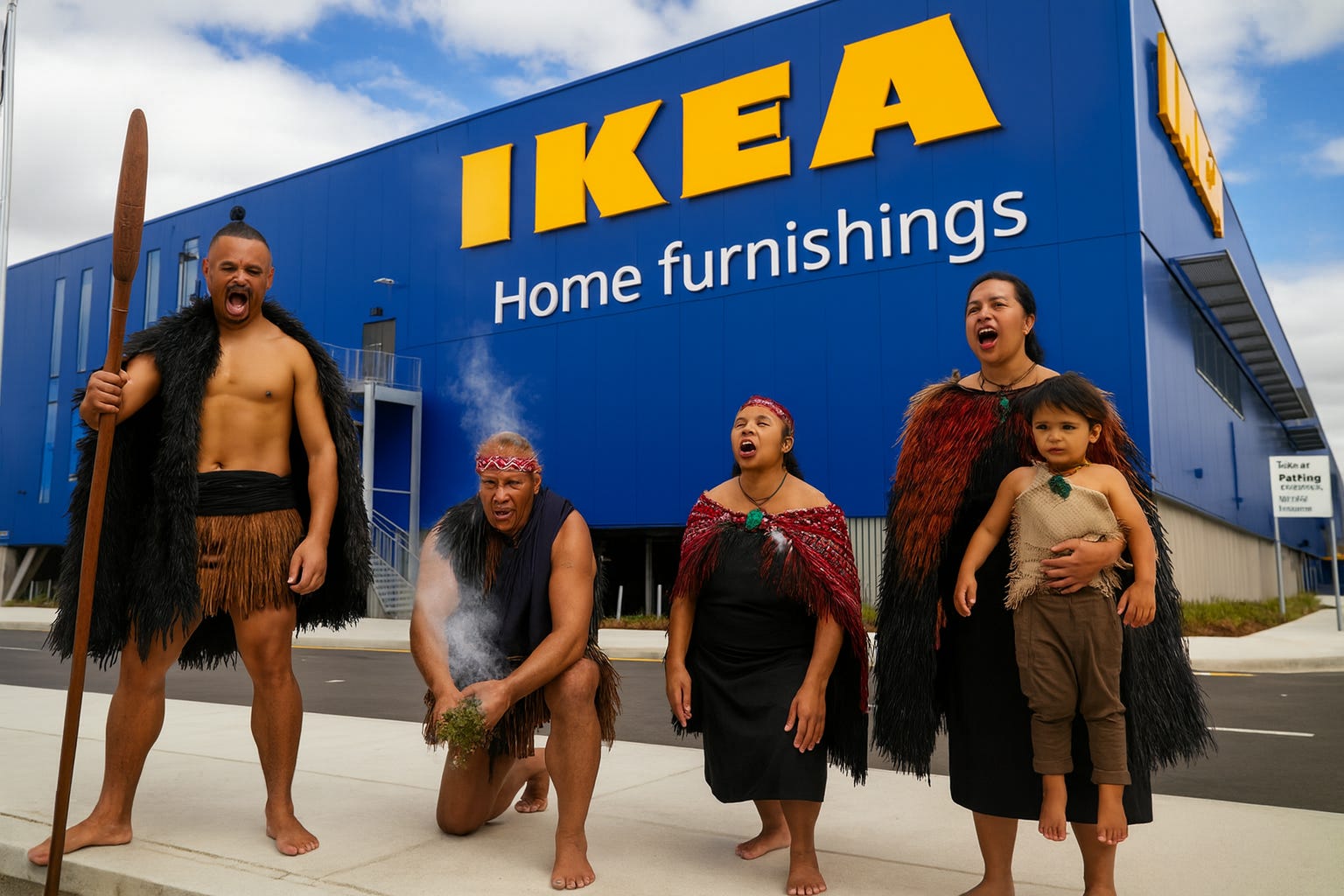
One of the requirements demands that IKEA invite representatives from seven different mana whenua groups at every major stage of earthworks. Seven. For one site. It’s not “optional engagement” or “friendly consultation”. It is compulsory attendance, compulsory notice, compulsory involvement, and compulsory ceremonial participation. That isn’t cultural respect. That is policy-mandated racial gatekeeping.
The forced karakia requirement is even worse. Karakia is personal. It is spiritual. It belongs to individuals who choose to practise it. Somehow, in modern 2025 New Zealand, the government has decided that private companies must take part in it as part of their legal obligations to the state. There is nothing respectful about turning someone’s spiritual practice into a bureaucratic checkbox. It cheapens the ceremony and burdens the people forced to perform it.
Then you get to “cultural monitoring”. Mana whenua must be given the opportunity to carry out monitoring “as deemed required by them”. In other words, they get to decide when it happens, how often it happens, and how much it will cost. There is no limit, no definition, and no accountability. This is not partnership. This is not stewardship. This is the state handing a racially-defined group the power to dictate the terms of a private development.
To top it off, mana whenua must also be given access to the site at their discretion. Not at agreed times. Not with notice. Their discretion. That kind of access would never be granted to any other group, anywhere, under any other circumstance. Yet here, it is written into the rules, stamped as policy, and treated as normal.
New Zealand now operates two legal systems. One for everyone, and one in which an ancestry-based group is given authority, veto power, and ceremonial control over private land use. That is the literal definition of structural racism. It is not an insult. It is a statement of fact. When the rules change based on who your ancestors were, the system itself is racist.
And the consequences are enormous. Construction costs balloon. Projects stall. Investors walk away. People shake their heads and ask why everything here is so expensive. Yet the answer is sitting right in front of us. Every additional consultant, every ceremonial requirement, every monitoring process, every site visit, every meeting, every layer of cultural bureaucracy pushes the cost higher and higher. This is why New Zealand can’t build anything anymore.

Worse still, all of this dividing, categorising, separating and elevating people by race is tearing the country apart. Ordinary people feel like strangers in their own land. They feel unheard. They feel dismissed. And they feel exhausted by a political class that refuses to acknowledge the obvious truth that separatism is government policy now.
New Zealand did not become this way overnight. But it has become this way. And many New Zealanders are reaching the point of asking whether this is a place they can stay much longer.
If you want an example of how broken the system is, look no further than a consent form for a bloody IKEA store. When a flatpack warehouse requires ancestral clearance rituals and round-the-clock cultural chaperones, you know the country has lost the whākn’ plot completely.