

The pounamu laws reveal a racist system hiding in plain sight

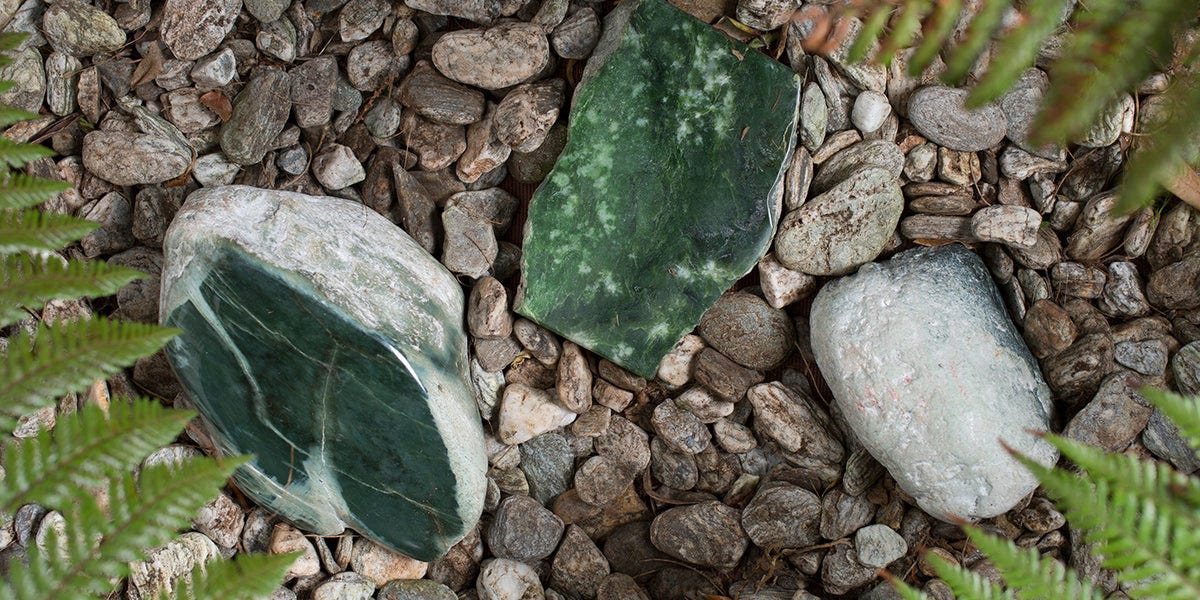
I was casually browsing the Otago Daily Times when a headline stopped me in my tracks. A 26-year-old Dunedin man had allegedly been found with 820 kilograms of stolen pounamu. Nearly a tonne. Whākn’ wild. However, the more I read, the more something else stood out. It was not the alleged theft itself, it was the rules surrounding pounamu that revealed just how racially stacked the whole system really is.
According to the article, pounamu is the legal property of Ngāi Tahu under the Pounamu Vesting Act 1997. Then comes the part that should make any New Zealander raise an eyebrow.
The “public”, meaning anyone who is not hapū to Ngāi Tahu, can gather pounamu only from West Coast beaches, and only pieces small enough to carry in one hand. Meanwhile, Ngāi Tahu whānau can gather from rivers and remote catchments that are completely off limits to everyone else, provided they have a permit from their rūnanga. Same country, same rivers, same laws, but different rights based entirely on ancestry.
Call it what you want, but if this was applied in any other direction the country would erupt.
Imagine for a moment if Parliament passed a law stating only New Zealand Europeans could hunt pigs because Captain James Cook introduced them. The outcry would be instant, deafening, and probably global. Yet the pounamu regime functions on that exact logic. One group of people gets exclusive access and exclusive rights because their ancestors were here first. Everyone else gets whatever crumbs wash up on the beach.

As always, I’m just simply pointing out the obvious. We have created a legal framework that divides the country into those who are allowed to touch certain natural resources and those who are not. That is the definition of racial advantage. You can wrap it in the language of guardianship and whakapapa, but the effect is the same.
Police in the article proudly state they are working with West Coast hapū and treating pounamu theft seriously. Fair enough. Theft is theft. But no one is allowed to question the system itself without being branded a troublemaker.
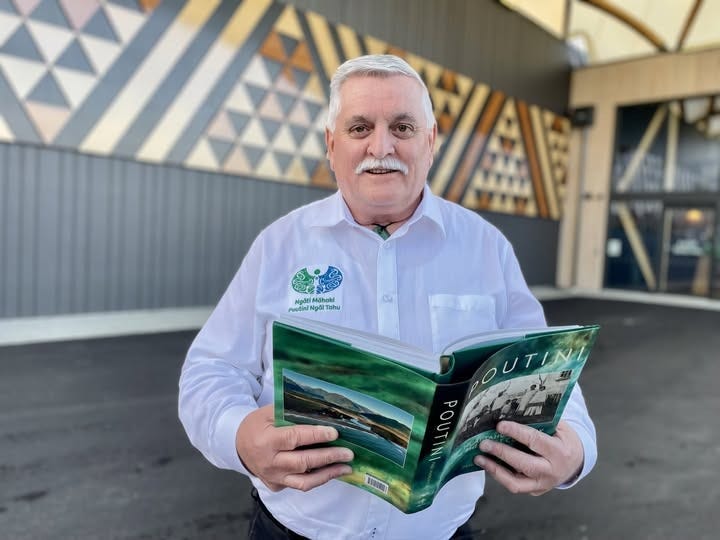
The Rūnanga chairman, Paul Madgwick, even says all pounamu must be authenticated by Ngāi Tahu. If it is not authenticated, it may be stolen. Think about that. A natural stone found in rivers and mountains is only considered “legitimate” if a particular tribal authority says so. Again, imagine that logic applied anywhere else. Imagine a law saying only a small group of Europeans could certify whether a lemon tree was legitimately harvested. People would lose their minds.
I am not inventing anything here. I am simply pointing out the stark racial lines that the law itself has drawn. If New Zealand is serious about equality, then we need to be honest about where our laws create privilege for some and restrictions for others.
Do not shoot the messenger. I did not write the Act. I did not design the system. I just read an article about a bloke allegedly caught with 820 kilograms of pounamu and ended up discovering yet another example of how different groups in this country are governed by different rules.
We pretend to be one people. Articles like this show we are anything but.
Absolutely-love the pig analogy!
Of course Paul is Maori, he has a Greenstone necklace.