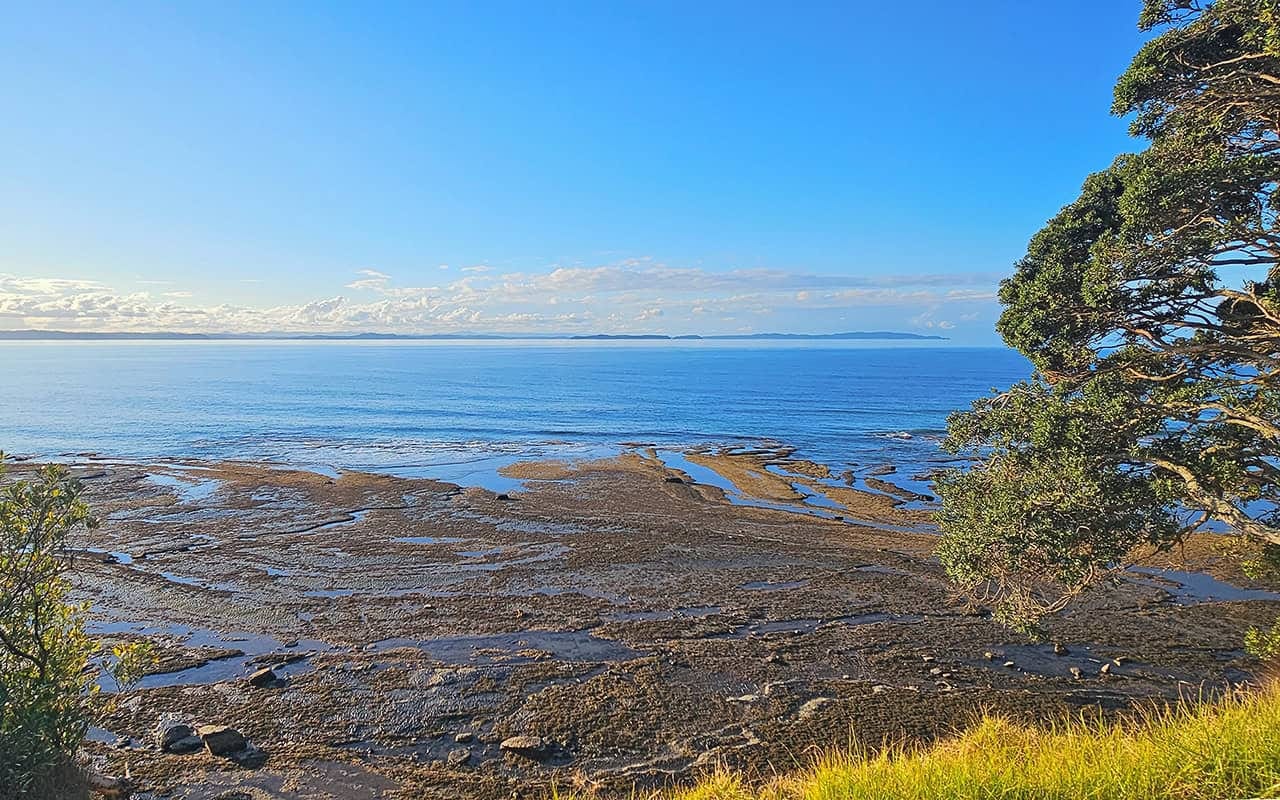
This is one of the only rāhui I’d ever support
I never thought I would say this, but here we are. What is happening to the rockpools and coastal ecosystems around Whangaparāoa, Army Bay and beyond has become so severe that doing nothing is no longer an option. This may be one of the only times I would support a rāhui-style intervention to protect our coastline.
That said, it should not be a rāhui in the cultural or symbolic sense. What is needed is a clear, enforceable ban under Fisheries law. A Section 186A closure, properly policed, time limited, and aimed squarely at allowing the marine environment to recover.
Submissions for the Section 186A process closed on November 28, and Army Bay resident and Protect Whangaparāoa Rockpools founder Mark Lenton says the response has been overwhelming. Hundreds of submissions have been lodged from a wide range of groups, with his organisation alone submitting around six hundred. Lenton says he is encouraged by the level of public backing, but warns that this is only the beginning.
He hopes Fisheries New Zealand will assess submissions as they arrive so a decision can be made quickly by the Minister for Oceans and Fisheries, Shane Jones. Speed matters. Every low tide without protection means more shellfish removed, more rockpools stripped, and less chance of recovery.
But even if the ban is approved, Lenton is clear-eyed about the reality. A closure on paper will not fix the problem on its own. Real change, he says, will only come from shifting attitudes among gatherers through education and guidance, delivered with the help of community leaders who are willing to engage honestly.
The response he has received so far does not inspire confidence.
“So many people when confronted say they don’t care,” Lenton says.
Some have gone further, mocking locals as naïve or stupid for allowing shellfish to be taken at all. That mindset tells you everything you need to know about why voluntary restraint has failed.
Enforcement is another major hurdle. Lenton points out that it can take up to a year to train voluntary fisheries officers, and even then, they have no real enforcement powers. Meanwhile, locals continue to report night-time harvesting at Hatfields Beach and Waiwera, with gatherers simply moving on to other beaches once attention increases in one area.
The problem is spreading. PWR has received calls from residents at Bethells Beach and Muriwai asking for advice, proof that this is no longer a Whangaparaoa-only issue. It is a slow-motion collapse of coastal stewardship happening in plain sight.
This is why a Fisheries-led ban matters. Not because it sends a moral signal, but because it creates clear rules with consequences. A two-year closure would give shellfish beds and rockpool ecosystems a fighting chance to replenish. It would also remove ambiguity. No excuses. No cultural misunderstandings. No pretending ignorance.
A rāhui as a concept relies on respect and shared values. What we are dealing with now is the absence of both. Until attitudes change, protection has to be enforced.
This is not about politics, ideology, or virtue signalling. It is about stopping the bleeding long enough for life to return. If we fail to act now, there will be nothing left to protect, and no amount of education or symbolism will bring these ecosystems back.
Sometimes the hardest position to take is also the most necessary. A temporary ban is not an overreach. It is the bare minimum required to stop our coastline from being emptied, one tide at a time.


Yes, they are a unique feature of the Auckland coastline. I recall in my youth Professor John Morton an Eastcoast bays resident was an ardent lover of The Rockpool and took people on tours pointing to the special link they provided to pre-historic planetary past. “You could say we evolved from the Rockpool.” He was a delightful eccentric and spoke of these little pools in an almost sacred manner. Good luck with your fight on this. The foe is incredibly ignorant and apparently unmoved by such emotion.
A great article - thank you Matua for highlighting the urgent need for action here, to prevent our Rock pools from been totally destroyed of marine life…